
A Simple Guide to Installing Pipes and Fixtures
Are you planning a home renovation or building a new house? If so, understanding how plumbing works is essential. Whether you’re installing a new kitchen sink or setting up a bathroom, it all starts with knowing what goes into plumbing systems. This guide will help you grasp the basics so you can tackle small projects yourself or communicate better with professionals for larger tasks.
The Importance of Proper Pipe Selection
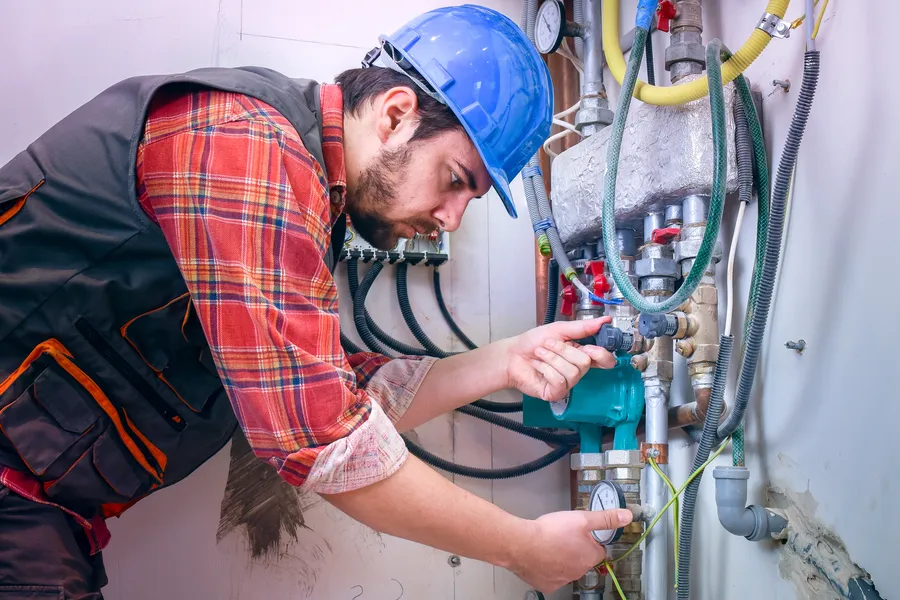
Choosing the right pipes is crucial for any plumbing installation. Different materials work best in various situations. For example, copper pipes are durable and good for water lines, while PVC pipes are often used for drain and waste applications. Knowing which material suits your project ensures longevity and reduces future issues.
Essential Tools for Your Project
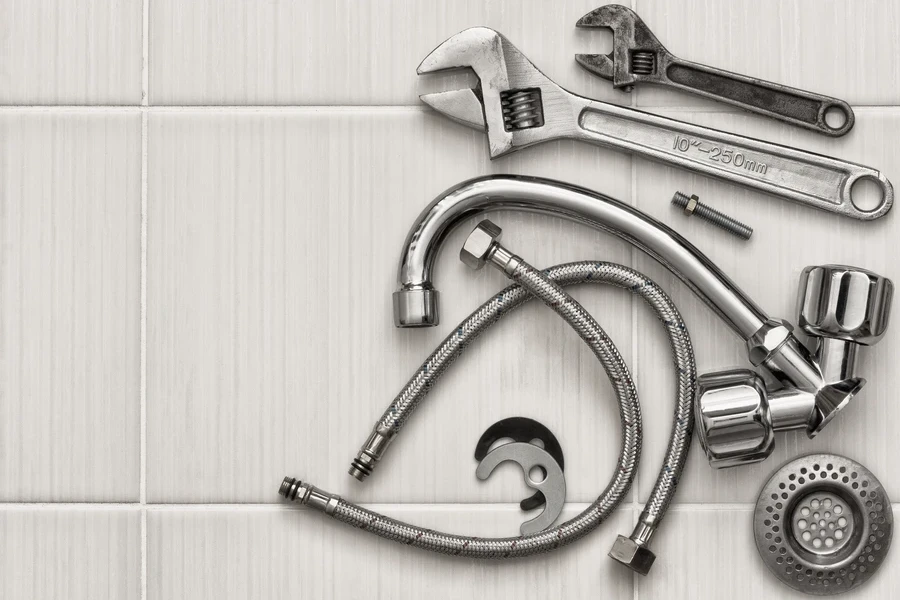
Tackling plumbing installation requires some basic tools. You will need a pipe wrench for tightening and loosening fittings, a hacksaw to cut pipes, and pliers for gripping. A tape measure helps ensure accuracy when cutting or fitting pipes. Having these tools on hand makes the process smoother and more efficient.
Step-by-Step Approach to Laying Pipes
Starting with a clear plan is key. First, map out where the pipes will go. Then, measure and cut them to fit the layout. Next, connect them using appropriate fittings and secure them in place. Lastly, check for leaks by running water through the system. Following these steps helps avoid common pitfalls in plumbing installation.
Fixtures: Connecting Sinks and Toilets
Attaching fixtures like sinks and toilets involves securing them to the plumbing system. Ensure that all connections are tight but not overtightened. Use plumber’s tape to seal joints and prevent leaks. Properly installed fixtures function smoothly without frequent maintenance needs.
Common Pitfalls and How to Avoid Them
Many homeowners encounter problems due to improper installation practices. These include leaks from loose fittings, clogs from incorrect pipe slopes, and noisy pipes caused by inadequate support. To avoid these issues, follow guidelines closely and double-check each step during installation.
Expert Tips for Effective Installations
Consulting experts can provide valuable insights. They recommend regular inspections to catch early signs of wear or damage. They also advise using high-quality materials even if they cost more upfront, as they tend to last longer and require less maintenance over time.
Understanding Cost Factors
Budgeting for plumbing involves considering both materials and labor costs. Quality materials may have higher initial prices but offer better durability, saving money in the long run. Additionally, investing in professional services can prevent costly mistakes, making it a wise choice for complex installations.
Your Next Steps With Expert Help
If you’re looking to start your own plumbing project or need professional assistance, reach out today at (317) 930-9620. Located in Indianapolis, IN, I am ready to provide expert advice tailored to your needs. Stones Home Solutions LLC specializes in ensuring every homeowner feels confident about their plumbing decisions.